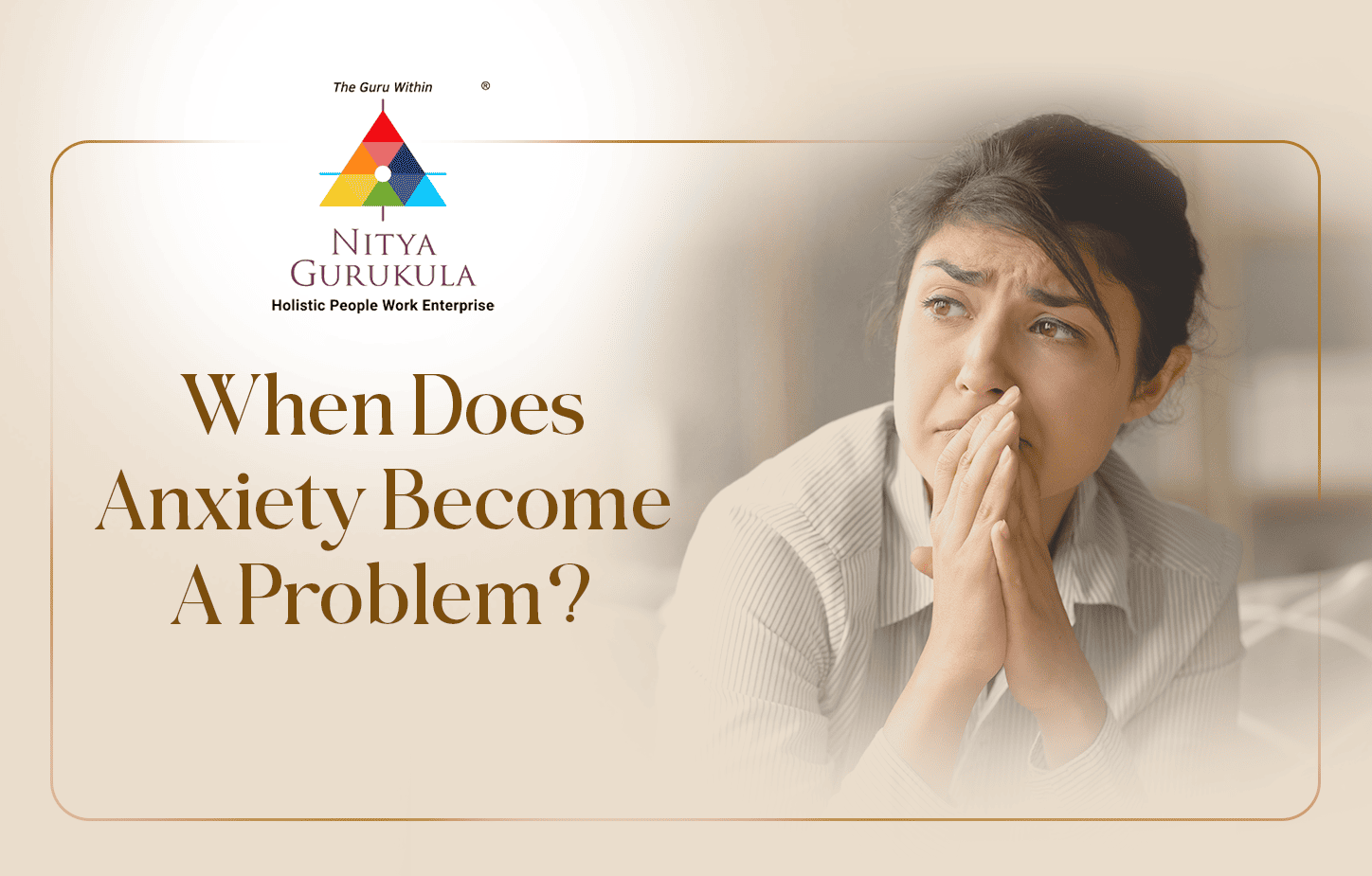
Many people use the words stress and anxiety interchangeably. While they can feel similar, understanding the difference can be the first step towards finding the right support.
At NG, we often meet individuals who know they are struggling but are unsure of what they are experiencing. Bringing clarity to these inner experiences can help us respond more effectively and compassionately to ourselves.
Understanding Stress
Recognising how external pressures affect the mind and body
Stress is usually connected to something happening in our lives right now. A demanding job, family responsibilities, financial concerns, examinations, relationship challenges, or major life changes can all create stress. In many cases, stress is the mind and body's response to a situation that requires attention, adjustment, or action.
- Feeling overwhelmed by responsibilities
- Irritability or frustration
- Difficulty concentrating
- Physical tension or fatigue
- Feeling constantly "busy" mentally
When the situation improves or the pressure reduces, stress often becomes easier to manage.
Understanding Anxiety
Recognising persistent worry that may not have an obvious cause
Anxiety is often different. It may not always have a clear external cause. Instead, it can arise from worries about what might happen, uncertainty about the future, or a persistent sense of unease. Even when things seem relatively stable on the outside, anxiety can continue to create distress internally.
- Constant worry or racing thoughts
- Difficulty relaxing
- Feeling restless or on edge
- Expecting something to go wrong
- Persistent fear or uneasiness without a clear reason
Anxiety often stays present even when there is no immediate problem to solve.
So, What's the Difference?
Understanding how stress and anxiety affect us differently
Stress is usually a response to external pressures, which turn internal.
Anxiety is often a response to internal fears, uncertainty, or anticipation.
While stress tends to reduce when a situation changes, anxiety may continue even when external circumstances improve. Sometimes, prolonged stress can also develop into anxiety if it remains unaddressed.
How Counselling Can Help
Building awareness and understanding beneath the surface
Whether you are experiencing stress, anxiety, or a combination of both, counselling offers a space to understand what is happening beneath the surface.
At NG, the focus is not merely on managing symptoms but on developing greater awareness of your thoughts, emotions, patterns, and responses. Guided sensory awareness helps to locate how stress and anxiety shows up physically.
- Greater emotional clarity
- Better stress management
- Reduced mental overload
- Improved self awareness
- A stronger sense of inner stability
Finding Your Way Back to Balance
Moving towards greater emotional wellbeing and inner stability
Stress and anxiety are not signs of weakness. They are often signals that something within us needs attention and understanding.
With the right guidance, it is possible to move from feeling overwhelmed and uncertain to feeling more grounded, clear, and connected to yourself.
If stress or anxiety is affecting your daily life, counselling can be a valuable step towards greater wellbeing and emotional balance.